California Earthquake Safety Guide: What Every Homeowner Should Know

Living in California means earthquakes are part of the environment we plan around, even when they aren't something we think about every day. For homeowners in Pleasanton, Livermore, Dublin, and throughout the Tri-Valley, earthquake preparedness is less about predicting when something will happen and more about knowing what to do before, during, and after shaking begins.


At Park46 Real Estate, we spend a lot of time talking with buyers about homes, neighborhoods, renovations, and the details that make a property work for everyday life. Earthquake preparedness is another practical part of homeownership that deserves attention, particularly when you're buying an older home, remodeling, or simply taking stock of how prepared your household is.


California's official Earthquake Warning California program provides resources for preparing for earthquakes and receiving alerts. Its statewide system uses seismic sensors to detect an earthquake after it begins and can provide some people with crucial seconds of warning before stronger shaking reaches their location.


Why Earthquake Preparation Matters for California Homeowners

An earthquake can happen without much notice. The Southern California Earthquake Data Center, for example, maintains a continuously updated list of recent earthquakes recorded across California and Nevada.


That doesn't mean homeowners should live in fear of the next earthquake. It simply means preparation is worthwhile.


Start with the basics inside your home. Secure furniture that could tip, especially bookcases, televisions, cabinets, and other heavy objects. Think about what is stored above beds, sofas, and frequently used areas. During shaking, even everyday household objects can become hazards if they are not properly secured.


It's also worth knowing where your utility shutoffs are and keeping essential supplies somewhere that is easy to reach. A flashlight, batteries, first-aid supplies, drinking water, basic tools, and important contact information can all be useful if power or communications are temporarily disrupted.


What Should You Do During an Earthquake?

The most important response is simple: Drop, Cover, and Hold On.


If you receive an earthquake warning or feel shaking, move away from windows and objects that could fall, get under a sturdy table or desk if one is nearby, and hold on until the shaking stops.


Earthquake Warning California explains that its system is designed to provide warnings before shaking reaches some users, but the amount of warning varies. People closer to the earthquake's origin may receive an alert just before, during, or even after shaking begins.


That's an important distinction: earthquake early warning is not earthquake prediction. The system does not know that an earthquake will happen before it starts. Instead, sensors detect an earthquake that is already underway and rapidly send information through the warning system.

For homeowners, that means an alert should be treated as an opportunity to act—not as a guarantee that you have a certain number of seconds to prepare.


How Can California Homeowners Receive Earthquake Alerts?

California residents have several ways to receive earthquake warnings.


The MyShake App provides audio and visual earthquake warnings on compatible iPhone and Android devices. According to Earthquake Warning California, the app provides warnings for qualifying earthquakes beginning at magnitude 4.5 and Modified Mercalli Intensity III shaking.

Android phones with supported operating systems can also receive Android Earthquake Alerts, which uses the same underlying earthquake warning technology.


Wireless Emergency Alerts (WEAs) provide another no-cost method of receiving emergency information on compatible mobile devices. Earthquake Warning California identifies earthquake-related WEA alerts beginning at magnitude 5.0 and Modified Mercalli Intensity IV shaking.


For homeowners, one of the easiest steps is simply checking that emergency notifications and location services are enabled on your phone.

You can also visit Earthquake Warning California for current information about MyShake, Android alerts, preparedness resources, and how the system works.


What Should You Check in Your Home Before an Earthquake?

Preparedness doesn't have to become a major weekend project. Start by walking through your home room by room.

Look for:


  • Tall furniture that could tip over
  • Heavy objects stored on high shelves
  • Mirrors or artwork hanging above beds or seating
  • Cabinets that could open during shaking
  • Large appliances or equipment that may need securing
  • Items near windows that could become falling or breaking hazards
  • Locations of water, gas, and electrical shutoffs


If you're purchasing a home, these are also useful things to notice during a showing. You don't need to turn a home tour into a structural inspection, but paying attention to the home's age, construction, visible condition, and any obvious maintenance concerns can help you identify questions to discuss with your inspector or other qualified professionals.


For specific structural concerns, homeowners should rely on appropriately licensed professionals rather than making assumptions from a real estate listing or visual inspection.


Does the Age of a Home Matter for Earthquake Preparedness?

It can be an important question to ask.


California has many different types of housing, from newer construction to homes that have been standing for decades. Construction standards and seismic requirements have changed over time, so the age and construction history of a property can be relevant when you're evaluating earthquake preparedness.


If you're considering buying an older home in the Tri-Valley, ask about available records, permits, previous renovations, and any known structural work. A professional home inspection can also help identify conditions that deserve further evaluation.


This is one reason we encourage buyers to look beyond the cosmetic details of a property. A beautifully remodeled kitchen may catch your attention, but the less visible aspects of a home can be just as important when you're making a long-term purchase.


How Can You Prepare Your Family Before an Earthquake?

Have a simple household plan.


Decide where family members should go during shaking, how you will communicate if you become separated, and where emergency supplies are stored. If you have children, older family members, pets, or anyone who may need additional assistance, include their needs in your plan.


It's also smart to think beyond the first few minutes. What happens if the power is out? What if cell service is limited? What if you cannot immediately leave your neighborhood?


California's official earthquake resources provide preparedness information for residents, businesses, educators, and other groups.

The California Earthquake Warning website is a good place to start building that plan.


What About Earthquake Risk When Buying a Home?

For buyers, earthquake preparedness is another piece of the larger home-buying conversation.


When you're comparing properties, consider the home's age, construction, condition, location, and available records. You can also research hazards and local conditions rather than relying on a property's appearance alone.


The U.S. Geological Survey provides an interactive earthquake map that allows users to explore earthquake activity and locations.


That information can be useful for general awareness, but a map of earthquake activity should not be treated as a property-specific structural assessment or a prediction of future earthquakes.


For buyers exploring different Tri-Valley neighborhoods, this is part of the bigger picture we encourage clients to consider. The right home isn't simply about the floor plan or finishes. It's about understanding the property and the community as a whole, asking good questions, and knowing what deserves a closer look during the due-diligence process.


A Few Minutes of Preparation Can Make a Difference

Earthquake preparedness isn't about knowing exactly when the next earthquake will happen. It is about making a few practical decisions before you need them.


Download an appropriate earthquake alert tool. Check your emergency settings. Secure heavy furniture. Put together basic supplies. Know where your household members should go during shaking. And if you're buying a home, ask questions about the property's history and condition.


For current preparedness information and official California earthquake resources, visit Earthquake Warning California.


At Park46 Real Estate, we believe understanding a home means looking beyond the photos and the list price. Whether you're buying your first home, moving within the Tri-Valley, or preparing a property for sale, practical details like these can help you make more informed decisions about where—and how—you live.


Blog Sample

Stephany  Jenkins

A TRI-VALLEY INSIDER WITH A HANDS-ON APPROACH TO REAL ESTATE

For award-winning agent Stephany Jenkins, working in real estate isn’t just a job—it’s her passion. She’s always known she wanted to follow in her mother’s footsteps and become a real estate agent, so she launched her career at age 25 and never looked back.


relocate to tri-valley

Blog Sample
Download
By Stephany Jenkins • September 22, 2026
Park46 Real Estate celebrates $250 million in sales volume and reflects on the clients, relationships, and local community behind the milestone.
By Stephany Jenkins • September 18, 2026
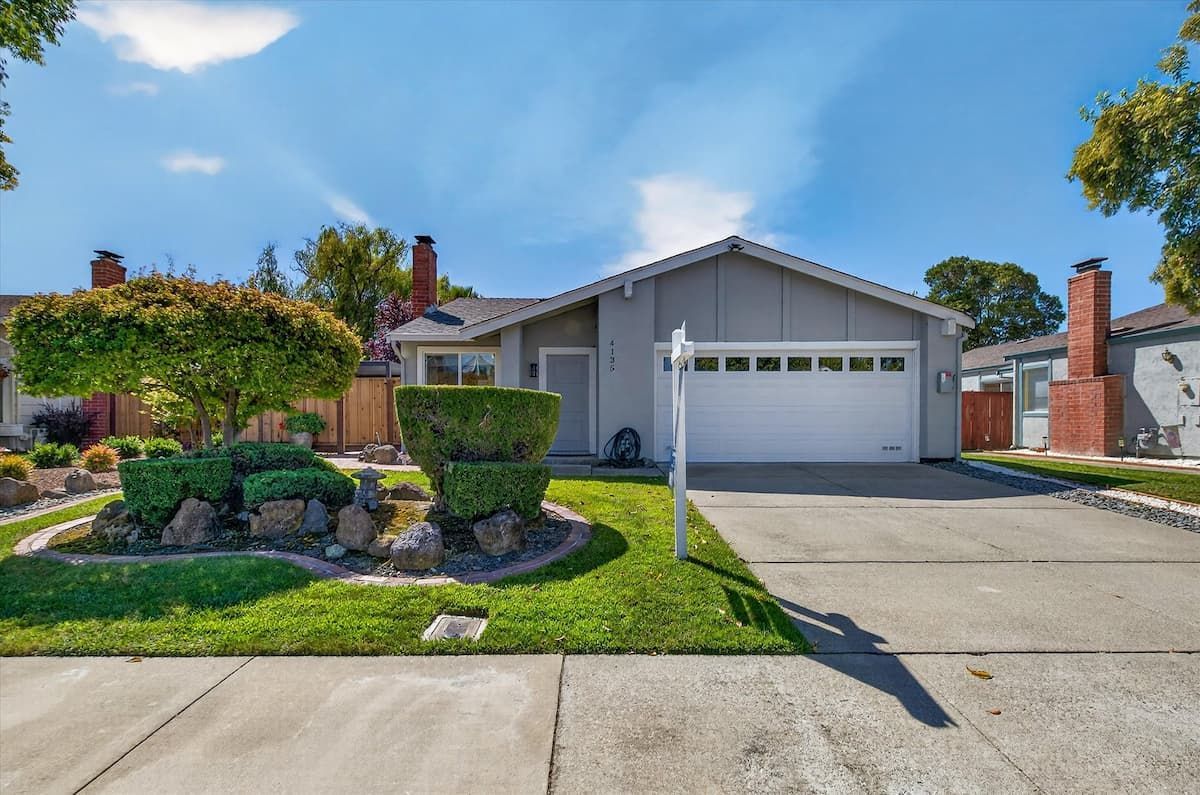
Take a closer look at 4135 Bishop Pine Way, a thoughtfully updated 3-bedroom Livermore home with outdoor space, smart features, and easy I-580 access.
By Stephany Jenkins • September 12, 2026
Explore Belleterre at Old Blackhawk in Danville, CA, including its homes, amenities, location, lifestyle, schools, and current real estate opportunities.
By Stephany Jenkins • September 8, 2026
Discover why Stanley Boulevard is a desirable Pleasanton area, from Downtown access and newer homes to schools, parks, commuting, and local amenities.
By Stephany Jenkins • August 29, 2026
Discover the best weekend getaways from the Tri-Valley, from Sonoma wine country and Carmel to Bodega Bay, Lodi, and Murphys.
By Stephany Jenkins • August 29, 2026
Discover boutique wineries in Livermore and the Tri-Valley, from intimate tasting rooms and scenic vineyards to family-friendly picnic spots.
By Stephany Jenkins • August 29, 2026
Explore the August 2026 Pleasanton and Livermore real estate market, including July home sales, prices, inventory, buyer demand and local trends.
By Stephany Jenkins • August 15, 2026
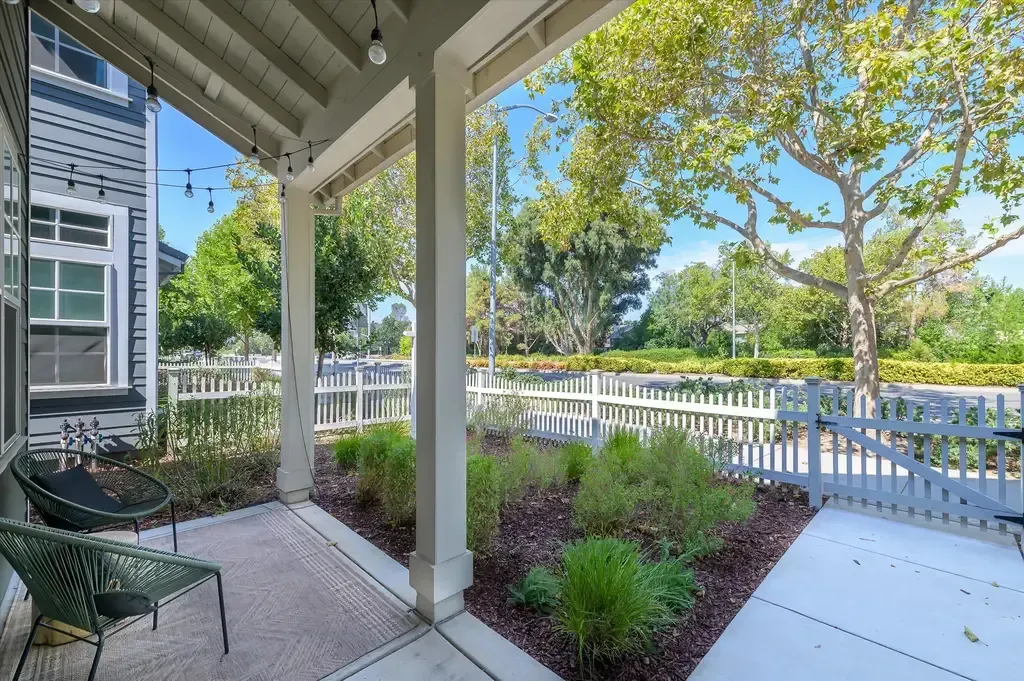
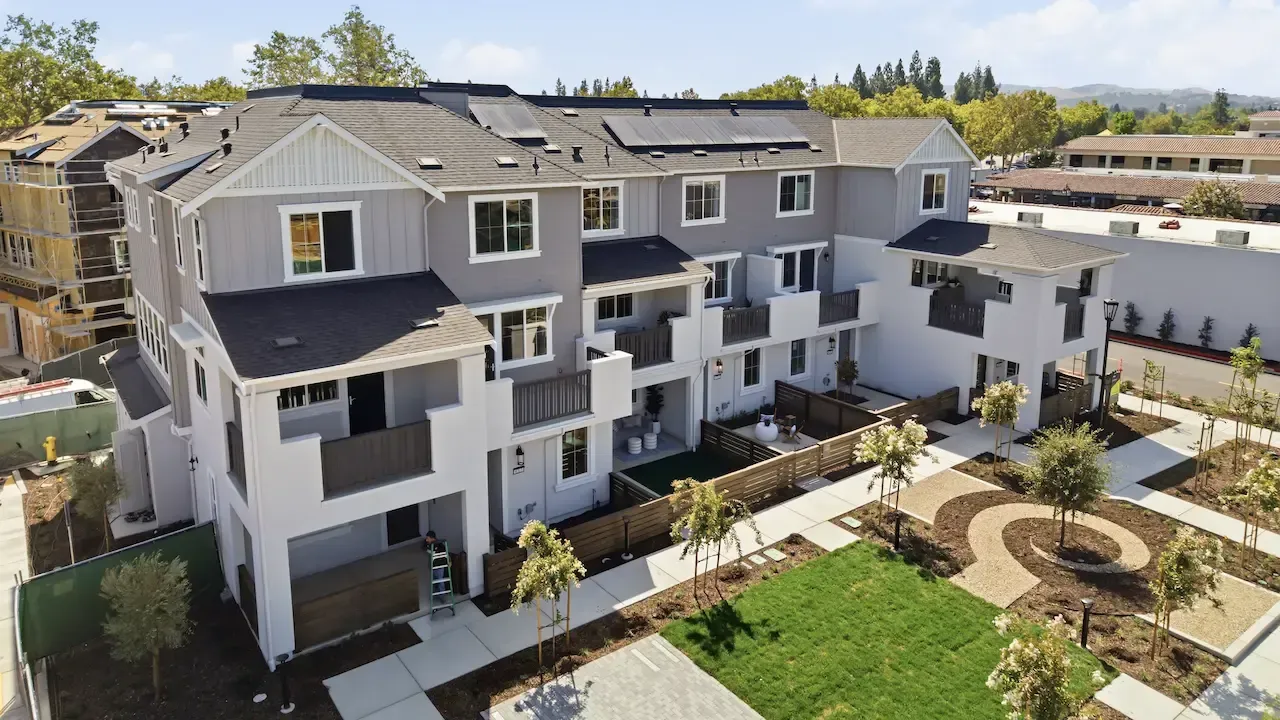
Discover Harmony, a new townhome-style condo community in Pleasanton featuring modern floorplans, private outdoor spaces and Bobby Berk-inspired design.
By Stephany Jenkins • August 15, 2026
Discover the best walking and biking trails near Birdland in Pleasanton, from easy paved paths to scenic Pleasanton Ridge trails.
By Stephany Jenkins • August 15, 2026
Choosing where to live in the Tri-Valley comes down to more than finding a home you love. Buyers often consider commute, neighborhood character, schools, home styles, lot sizes, amenities, and overall lifestyle before deciding which community feels right. The Tri-Valley includes several distinct communities, each with its own personality. Whether you prefer the established neighborhoods of Pleasanton, the wine-country atmosphere of Livermore, the newer communities of Dublin, the family-oriented setting of San Ramon, or the privacy and luxury of Ruby Hill, there are options for a wide range of buyers. Explore Park46 Real Estate or browse our Tri-Valley neighborhoods to begin comparing local communities. Pleasanton Valley & Birdland: Established Neighborhood Character Pleasanton Valley and Birdland are established Pleasanton neighborhoods that appeal to buyers who value a mature residential setting and convenient access to everyday amenities. The area has a population of approximately 3,742, with a median age of 45 and an average individual income of $87,525, according to U.S. Census Bureau data. The neighborhood is particularly appealing for buyers who want a traditional community atmosphere with established homes and convenient access to Pleasanton's broader amenities. Nearby schools include Alisal Elementary and Walnut Grove Elementary, giving families additional factors to consider when evaluating the area. If your priority is finding an established Pleasanton neighborhood with a strong residential feel, Pleasanton Valley and Birdland are worth exploring. Ruby Hill: Privacy, Space and Luxury Living For buyers looking for a more exclusive lifestyle, Ruby Hill offers a very different experience. Located in Pleasanton, Ruby Hill is known for larger luxury homes, privacy, open surroundings, and a more estate-oriented residential setting. Ruby Hill has approximately 2,576 residents, a median age of 45, and an average individual income of $160,968, based on the provided U.S. Census Bureau data. The neighborhood has a lower population density than many surrounding communities, contributing to its more spacious atmosphere. Homes in Ruby Hill can be particularly appealing to buyers seeking more space and privacy while remaining within the Pleasanton area. Valley View Elementary is among the nearby schools. If you're asking whether Ruby Hill is a good fit for luxury buyers, the answer largely depends on your priorities: buyers who value privacy, larger properties, and an upscale neighborhood environment may find it especially attractive. San Ramon: A Family-Oriented East Bay Community San Ramon is one of the Tri-Valley's largest communities, with approximately 85,734 residents and a median age of 40.9. The city also has a highly educated population, with approximately 44% of residents holding a bachelor's degree and another 32% holding a graduate degree, according to the supplied Census data. For families, San Ramon offers numerous neighborhoods, schools, parks, shopping areas, and community amenities. The provided school data includes schools such as Country Club Elementary, Quail Run Elementary, Neil A. Armstrong Elementary, Coyote Creek Elementary, and several others. So, is San Ramon a good place to live for families? For buyers who want a larger suburban community with extensive amenities and many neighborhood options, San Ramon can be an excellent place to start the search. Its location also makes it attractive to professionals commuting toward the broader East Bay and Silicon Valley. Dublin: Modern Communities and Convenient Connectivity Dublin has experienced significant residential growth and offers a mix of established neighborhoods and newer communities. With approximately 70,542 residents and a median age of 37.3, Dublin has a comparatively younger population than several nearby Tri-Valley communities. The city can be a strong option for buyers who prioritize newer construction, convenient shopping, modern amenities, and access to major transportation routes. Families will find numerous schools throughout Dublin, including John Green Elementary, James Dougherty Elementary, Cottonwood Creek, Murray Elementary, J. M. Amador Elementary, and Dublin Elementary. What makes Dublin different from Pleasanton or Livermore? In general, Dublin offers a more modern and rapidly developed suburban environment, while Pleasanton tends to have more established neighborhoods and Livermore offers a distinct combination of suburban living, open space, and wine-country character. Livermore: Community, Character and Wine Country Livermore offers a different pace and personality from many other Tri-Valley communities. With approximately 85,870 residents and a median age of 40.5, the city combines established residential neighborhoods with open spaces, vineyards, local businesses, and a recognizable wine-country identity. Livermore may be a particularly good fit for buyers who want more room while still having access to restaurants, shopping, recreation, and community amenities. The city has a variety of neighborhoods and housing options, from established homes to newer developments. Schools in the supplied data include Sunset Elementary, Emma C. Smith Elementary, Lawrence Elementary, Rancho Las Positas Elementary, and Joe Michell. If you're looking for a Tri-Valley community with a strong sense of place, Livermore is worth putting on your list. Pleasanton: A Balanced Tri-Valley Lifestyle Pleasanton is one of the Tri-Valley's most established and sought-after communities, offering a wide range of neighborhoods and housing styles. The city has approximately 77,500 residents, a median age of 42.4, and an average individual income of $86,151 based on the provided Census data. One of Pleasanton's biggest advantages is variety. Buyers can explore established neighborhoods, newer developments, townhomes, luxury properties, and larger estates depending on their budget and lifestyle. The provided school data includes Vintage Hills Elementary, Valley View Elementary, Alisal Elementary, Fairlands Elementary, Lydiksen Elementary, and Walnut Grove Elementary. Is Pleasanton a good place to live? For buyers looking for a well-established community with diverse housing options, convenient amenities, and access to multiple distinct neighborhoods, Pleasanton can be an excellent choice. So, Where Should You Live in the Tri-Valley? There isn't one best Tri-Valley community for everyone. The right choice depends on what matters most to you. Choose Pleasanton Valley & Birdland if you want an established Pleasanton neighborhood with a traditional residential feel. Choose Ruby Hill if privacy, larger properties, and luxury living are high on your list. Choose San Ramon if you want a larger suburban community with extensive neighborhood and amenity options. Choose Dublin if newer communities, modern housing, and convenient connectivity are priorities. Choose Livermore if you want a strong community atmosphere, more open surroundings, and wine-country character. Choose Pleasanton if you want variety, established neighborhoods, and a balanced Tri-Valley lifestyle. Ultimately, the best way to determine where you should live in the Tri-Valley is to experience the neighborhoods firsthand. Home prices, inventory, commute patterns, property types, and neighborhood character can vary significantly from one community to the next. Park46 Real Estate specializes in the Tri-Valley communities of Pleasanton, Livermore, Dublin, San Ramon, Ruby Hill, and Pleasanton Valley & Birdland. Explore our neighborhoods to compare communities or view current properties that match your needs.